The entire cast and the audience of the all-day peace concert at Nagaregawa Church, at ground zero in Hiroshima, during the 70th anniversaries of the atomic bombings of Hiroshima and Nagasaki, on August 8, 2015, stood in a circle around the circumference of the church , surrounded by a garland of 1,000 folded cranes (in memory of those that perished in these attacks), singing together “Last Night I Had the Strangest Dream” in both Japanese and English.
“Last Night I Had the Strangest Dream” is a visionary peace song written by the late folksinger and peace activist Ed McCurdy in response to the atomic bombing of Hiroshima and Nagasaki, and copyrighted in 1950. I first heard it as a child on Pacifica Radio, the pacifist radio network created by the US peace movement during WWII, and which is still broadcasting from many cities around the United States.
I sang it at Nagaregawa Church, at ground zero in Hiroshima, two days after the 70th memorial of the atomic bombing of Hiroshima, on August 8, 2015. I would like as many people as possible, all over the world to sing it, in many languages. I read that it has been recorded in 76 languages, so I can safely assume that world peace is a very much beloved idea. At Hiroshima, I sang it in English and Japanese, so I am offering the words here in both languages.
Here are the lyrics in English:
Last night I had the strangest dream I never dreamed before I dreamed the world had all agreed To put an end to war.
I dreamed I saw a mighty room The room was full of men And the paper they were signing said They’d never fight again.
And when the paper all was signed And a million copies made They all joined hands and bowed their heads And grateful prayers were prayed.
And the people in the streets below Were dancing ‘round and ‘round And swords and guns and uniforms Were scattered on the ground.
Here is a translation of the lyrics into Japanese created by the wonderful singer/songwriter Maiko Kodama in 2013.
Here is a guitar chart in the key of G, the key in which I sing this song.
If you are an English-speaking person, and want to learn Maiko’s Japanese lyrics phonetically, here is how they go:
Kee noh yoh roo kee myo oh nah
Last night I had the strangest dream
Yoo mei woo oh mee tah
I ev – er dreamed be fore
Sei kah ee gah seh nn soh oh
I dreamed the world had all agreed
Woh yah mei roo oo yoo mei
To put an end to war
Oh oh kee nah heh yah deh
I dreamed I saw a mighty room
Oo oh zei gah
The room was filled with men
Nee doh toh tah tah kah wah nai
And the paper they were signing said
Toh sah ee nee ee shee tah
They’d never fight again
Nah nn woh koo noh sah ee nn
And when the papers all were signed
Gah koh pee ee ee sah rei
And a million copies made
Tei woh tzu neh gee ah tah mah woh sah geh
They all joined hands and bowed their heads
Ee noh ree sah sah geh tah
And grateful prayers were prayed
Too oh ree noh hee toh bee toh
And the people in the streets below
Wah oh doh ree dah shee
Were dancing round and round
Jyoo toh ken toh goon poo koo
And guns and swords and uniforms
Wah soo tei rah rei tah
Were scattered on the ground
Kee noh yoh roo kee myo oh nah
Last night I had the strangest dream
Yoo mei woo oh mee tah
I ev – er dreamed be fore
Sei kah ee gah seh nn soh oh
I dreamed the world had all agreed
Woh yah mei roo oo yoo mei
To put an end to war
Here is the concert poster for the peace concert at Nagaregawa Church in Hiroshima, a combination of the cover illustration from Living on the Earth, and a graphic layout by Kaoriko Ago Wada, the fashion designer and owner of the Little Eagle organic fiber, fair trade clothing company, who coordinated the event.
This record quickly reminded of the glory folk days of Joan Baez and Judy Collins. This was even before I read that although Alicia Bay Laurel recorded this album within the last year, she wrote these songs in the 1960s and 1970s when she lived on various communes in the US. She has that same beautiful voice with occasionally barbed lyrics. The arrangements are classic folk, but there is also some lounge jazz in a few of them, which plays well. While this is not a Linda Perhacs style discovery, Alicia Bay Laurel is a nice find, taking us back to a great time in folk music.
[The opening track, “Surviving in Style,” is] one of my favorite songs by any singer/songwriter… and as Alicia mentioned, this is the kind of song we need for this moment in history.
Patrick Lydon Ecological artist, writer, and filmmaker. Director at City as Nature Osaka, Japan
_______________________________________________
I received your CD! It’s so beautiful. Your songs make me calm, and I am able to go back to my golden childhood.
I am loving this album!!! It is so nice, calming, simple and beautiful!!! I can totally see myself relaxing and enjoying this music at a cozy cafe! Tim loves it, too! We are keeping your CD in our CD player, and listening to it again and again. Thank you for your creativity and love for music!
Mayu Uotani Jensen Translator of Yogananda’s books Wife of songwriter Tim Jensen, who creates songs for animé films
I have just heard it once so far, but I am delighted by your music. Wonderful!! So many nice touches, like the flute – really, really delightful. And your voice is GREAT. Joan Baez-like. I love it. So proud of you!
Big Hug and Love,
Noelie Rodriguez PhD Professor of Sociology Hawaii Community College, at the University of Hawaii, Hilo
Listened to your CD for the first time this morning – the first time with any new music for me is freely experiencing it, feeling it as the music dances around the room. Subsequent listenings are for hearing what comprises the layers, but first time, just like first time sex, is all about the experience.
THEEXPERIENCEWASGREAT!
Takes you back to the Sixties.
Love your voice. You sound like a young girl, a young hippie girl singing about the joy we had back then. In a few of the songs your voice is reminiscent of a young Norah Jones.
I especially love the way the language itself brings back the times – words that are not in common use now (at least in the terms we used them back then) come to life in your songs. Part of keeping the times alive.
And with all that said, the songs are also timeless in that the music still matters. It is so unfortunate that Dallas is barren of folk (other than one venue). The East Coast would eat this up – you would shine at the folk festival I attend yearly (other than this year.)
Hippie Hill and Have a Good Time especially made me smile. What it was all about. And the wistfulness in Paisley Days as you talk about the way it was. How did war and failing economies and faltering ecologies allow society to forget what we were trying to teach people – eat when you are hungry, sleep when you are sleepy. And the simplicity of moving from one moment to the next – sing me a song and I’ll sing you a song and we’ll listen to each other’s music all night long.
Ah yes…can’t help but plug my dear sister’s new CD…New to me that is… these songs (so Alicia tells me) are from back in the days of Wheeler Ranch…and more…Alicia, recovered from her old tapes the music from back then, and re-recorded the lot… If you like John Fahey, Maria Muldaur and a spice of jazz… you’ll love this…If you want to know more…just ask me…or better yet… ask the lady herself…but, do yourself a favor and pick up your copy now!
“Butterfly Farewell” is my current favorite. It surprisingly feels to me very melancholy (in a peaceful way).
Alicia’s voice rings of daybreak. I think the production is marvelous, and her ability to warm a heart is still intact.
Ricky Moore Musician Brooklyn, Iowa
______________________________________________
Very much enjoyed listening to your new CD today. Well-produced, with welcome messages of hope and beauty!
Ramón Sender Barayón Post-theist Visionary, Author and Composer San Francisco, California _____________________________________________________________________________
Simply WONDERFUL, WONDERFUL. And so much more.
From the moment I tore open the envelope, I’ve been inside out, smiling. I soaked in that familiar face, now radiant, etched gently from your joy living on this Earth, then your artwork – then discovered your dear words to us…. Thank You.
Then your MUSIC. Oh does it resonate. Your lyrics, intonation, instrumentation, sequencing, back-up singers, gleeful sarcasm…. Your voice retains a sweet, magical ability to lovingly communicate with my spirit, my nature, the joys and responsibilities of living on this Earth. And it reminds me, regardless and because of life’s challenges, never to remove the “rose-colored glasses” my mother unwittingly implored me to “take off” and “grow up.”
Your voice/music/gift/you are miraculously facilitating a kaleidoscopic shift in my world view and confusing moods. My heart is grateful and delighted for you.
Your latest CD helped crystallized something so special: that one of the precious gifts of aging is increasing and embracing our joy and other’s if we take responsibility for and reappraise who we are, how and why we got here, and how we choose to go forward.
Your beautiful, beautiful CD has become my most welcome companion; I carry it from house to car and back again routinely. Without fail, like natural aspirin for the soul, it elevates my threshold for pain, reduces my anxiety, and brings me mindful equilibrium. Thank you for such a magnificently generous gift.
I wish you peace, joy, strength, really great connections and laundry facilities, laughter, and fun on your physically demanding tour. I’m sure the audiences will be captivated.
Robin Adler Attorney Washington DC _____________________________________________________________________________
Alicia dear: The gorgeous sounds of your voice are floating through the house right now. One copy is going in the camper van. So we drive along listening to your beautiful voice and songs. I had a wonderful time recording with you. It’s a special memory for me.
Awesome job, you! Have a Beautiful, beautiful weekend!
What strikes me over and over about this music is a kind of purity and a sweetness.
I was surprised when I popped the CD into my car’s CD player at how soothing it was. Some of the vocals are really stylish, such as on “Serenade” and “Hippie Hill” and others fun and humorous such as on “Have a Good Time”. I love the liquid and haunting quality of the vocals on “Onward, Onward Ever Flow”. A few “romantic” songs such as “Piper of the Woods” and “Yabyum” add to the diversity of the collection. And there are a number of purely original folk songs. My favorite song may be the “Devotional for a Spiritual Guide” because of its many-layered richness.
This seems like a new sound. The sweetness is deeper, riper and more relaxed.
There’s a strangely familiar freshness and simplicity to the whole collection and an innocence that is impossible to find anywhere in the music world.
Alicia’s guitar playing and arrangements are as beautiful as ever and the performances of the accompanying musicians are wonderful. The production and quality are the highest, as usual.
I still have a lot of listening to do. There’s a lot on this album.
Wyldflower Revolution Artist, Permaculturist and Environmental Activist Sebastopol, California
Sometimes, someone’s life and essence lives and flourishes during a certain period of one’s life, in it’s first encounter, and this was in its most naive and direct sense of experience, while the rest of that persons life could be be used to work this essence out more economically and in different parts and sections. Alicia’s highlight came with her book “Living On Earth”, a practical guide of how to live your life as a hippie. She still is guided by those forces/inspirations, being stimulated by an inspiring optimism, which tried to see the positive side in all things and above all in humans.
In the end, it eventually led her further to meetings to such wonderlands in people more often and continuously, while being able to be guided by choices to look for them and attract them more often. While the optimism brings forward the hippie folk style, realistic confrontations add more like a slight touch of country/Americana flavour (while still being guided by a now this time more gospel-folk way of optimism), the practical workouts side is able to show by nicely worked out acoustic and blues-jazzy electric pickings (with Tom McNalley), with the addition of some flute, organ,…. I still can perceive Hawaii underneath, a place, which for many people must have stimulated that positive heart-attitude towards life.
Alicia continues to spread her message of possibilities, which is nice to notice. She definitely deserves a box set of LP’s with the inclusion of a book with some of her artworks and that of her students. Anyone?
Gerald Van Waes Psychedelic folk radio host, collector and critic Belgium
I met Alicia Bay Laurel at a peace demonstration. She was making peace that day, and her music at night. She is still at it.
Her new CD of music, More Songs From Living on the Earth, is just that. It’s a Sunday morning spring day kinda sweetness Alicia takes you to.
All the while, underlying these sweet melodies, Alicia is a multi-talented visionary, and sage of our times. She creates a place with sounds and poetry, where you just know this day is going to be a mighty fine one. I like that.
This album is a sleeper, that must be listened to several times before you can BEGIN to get a handle on its complexities…it grows on you, and is very sweet.
It has taken me awhile to hear it all.
Alicia’s new CD is subtly addicting. I find myself waking up humming little snippets of melodies she made. It is a gentle knowing smile she brings with this music. The more I hear it, the more I see the different layers she put into it.
It’s a YAYY. My favorite song is track #2, Piper of the Woods.
Stephen Frank Gary Artist and Activist Oceanside, California
I don’t know if you remember me. I hope you do – I recorded the mandolin tracks on your record that you recently released, and I was listening to it, and I think it sounds fantastic, so I was just calling you to say “Thank you for recording this beautiful music.” Thank you very much for having me play on it, and, of course, thank you for sending me a copy. I think that, not only are your compositions beautiful, but, also, Ron Grant did a great job with the engineering.
Your record sounds beautiful, really. It reminded me to the feeling of the first time I listened to “Come away with me” by Norah Jones. Your record is a beautiful acoustic trip! Please let me know when you play live and also if the album comes out in vinyl.
Gonzalo Palacios Guitarist and Mandolinist Los Angeles, California
Songs are beautiful – pure and lovely! They remind me of the first time we met in our small room in Otsuka. The days in 1960’s and 70’s, memory of hard fights against the war in Vietnam, against everything of authority, lost dream of utopia, and new vision coming from the teachings of Black Elk, all came back as I listened to your songs.
Yes, so many years have passed since then…Still, as you sing, we praise those old days and their dreams.
Your songs are beautiful and real. In a troubled times like these, we need your songs and art more than ever!
Kenichi Iyanaga Professor Emeritus of Mathematics, Tokyo University Former President of Japan’s chapter of Students for a Democratic Society Still an activist!
Oh Alicia – your new CD! I LOVE IT! It makes me so happy! I put it on every day – really LOUD. I played it for some guests today. They loved it, too! Thank you SO much for making this music.
The CD is very diverse – a wide variety of musical styles and sounds: country, celtic, folk, jazz, blues. The production is amazing, and Alicia’s voice is just tremendous. I really like this album a lot!
Thomas Schultz Photographer and Earthship Builder Arizona and Colorado
While driving the back roads to Esparto I listened to Alicia Bay Laurel’s new cd, “More Songs From Living on the Earth.” There are no front roads to Esparto, and similarly the songs approach the listeners through back channels old and new, and timeless. Fluid motion, jazzy riffs, heartfelt lyrics, joyous celebrations, ecstatic visions, transcendent melodies, osmotic orchestration, happy hippy harmonies, and authentic phrasing grace the tracks, condensed and accessible, expanding, unfurling, spirit intonation of John Fahey and kupuna invocation of Auntie Clara, steeped in poetic Wheeler Ranch revelations, and all through the tunes, Alicia, chanteuse in tie dye. River Road meets Loomis Lane. Country funkin’ and commune groovin’, a world that just couldn’t be, but was for awhile, a stretch of infinity for us time beings, jikan ikimono. This album is creative and entertaining. Listen and remember, sing along and be here now.
Erik Frye Organic farmer, radio host and environmentalist Mendocino County, California
As a flower child of the ‘60s and ‘70s, I really liked all the songs on this newly-released album: “More Songs from Living on the Earth.” Just as Alicia Bay Laurel’s unique style of hand-drawing her books made them so special for my generation, there’s something wonderful about the unique way she uses her gentle humor and sweet soft voice to express so many truths. My own faves from this album are: “Devotional for a Spiritual Guide”, “Beautiful, Beautiful”, “Hippie Hill” and “Paisley Days” – the last two evoke memories of hanging out on Hippie Hill on lazy Sundays, listening to the cool pro jazz players who would come together to jam for free every Sunday. These are memories unique to the boomer generation.
I received your CD and love it, because the songs are all very gentle and filled with love. I believe in Love. That is what you gave me. I really thank you.
Setsuko Miura Television Producer and Environmental Activist Kyoto, Japan
We are enchanted by your CDs… Heaven has come to earth… Mahalo for the gift of your artistry in all its many forms.
I have played this wonderful CD over and over on my computer while I spend the countless hours a day that I must be “in office”. Thank you for this great gift of yours.
It is wonderful that you resurrected these precious songs from days gone by as they are all special. I love them all, but my favorite has to be “Piper of the Woods.” Long may you live to continue to share your unique talents and beautiful Spirit with us!
The whole of the recording is a joy…to try and sing along with!
More Songs from Living On The Earth proves again that the flowers are still in full bloom and I haven’t changed much in the several decades since they were first written & sung. What a great soundtrack to play in my car amidst the raging chaos on the highways. I’m on my way to Hippie Hill and I’m NEVER coming back. Thank You!
I had an amazing experience leading my Introduction To The Inner Clown workshop this weekend. I played Alicia’s music from her album, More Songs from Living On The Earth as my sonic environment while we were on breaks. It was so beautiful. What a weekend. I feel inspired for the first time in awhile.
I don’t listen to many albums these days. Back in my 20s, that’s all I did, when I played in bands for a living, but now, writing mostly poetry or essays, I tend to put them on as background music while I’m ironing. (Hey, don’t knock it! Ironing is a form of Zen mediation. The Way of the Straight Crease.)
It’s especially difficult to comment on music created by your friends – or family – mainly, because you love them and want to empower and encourage them on, not expose them to the harsh wind of critical thinking or ‘too much head in bed’ as some freaked out flowerchild once put it. Artists get enough useless opinions, whether amateur or professional, from the uncaring. But you also want to be honest and help with intelligent commentary, not just sugarcoat everything so as not to hurt feelings.
As a professional songwriter and poet, I listen quite differently to music than people who are not in these professions. Music for me has never been simply entertainment. (It took me many years and many wasteful arguments to finally grasp this.) I listen to music perhaps more like an anthropologist – (if any single analogy is adequate) – looking through a desert of sand for single bone fragments that can reconfigure everything I have learned to date and make it vitally present again. A key to unlock something. I prefer watching films for entertainment. The great songs of the late 60s, from The Beatles, Jimi Hendrix, so many others, all derailed me from whatever track I was on, whipped me around the cosmos and then rerouted me back onto the same track, but as though experiencing it for the first time.
So today, I piled up my wrinkled clothes, set up my ironing board, switched on my Always-Expecting-A-Miracle work light, and put on Alicia Bay Laurel’s, More Songs from Living On the Earth.
The soft tones and clarity of Alicia’s vocals, which are her trademarks, were immediately there. Alicia is Alicia and no one else. No jarring pseudo-melismas (ie.vocal runs with too many notes), so infesting vocal stylists (and especially, lead guitarists!) in the music marketplace these days. A simple tone and respect for a good melody and the clarity of the lyric. You do not need to read a lyric sheet with songwriter-singer sings like this. The words are vulnerable and ring out and you can take them, or leave them, depending on your taste, but it’s clear that Alicia stands by what she sings. She lives it and has lived it for over forty years. Daniel Berrigan, 60s Civil Rights activist once said, ‘Know where you stand – and stand there.’ This assuredness is reassuring in a world where everything is about conforming and being popular.
I long to be led back to lost, forgotten and unfamiliar pioneers of music, by the present generation, much like Bob Dylan led us to Woody Guthrie, the Rolling Stones led us to Muddy Waters, Eric Clapton led us to Robert Johnson and The Beatles forced us back to not only The Everly Brothers, but Little Richard, and even the Tin Pan Alley songwriting teams of the 30s and 40s. Country music has always had this sense of history and connection with ‘elders’ but pop music only nods back to the closest reference point. For a singer-songwriter, it is certain death.
Meanwhile, back in the real world, I am ironing my way through my t-shirts (fewer difficult bits to iron, always a good place to start) and about to hit the more resilient jeans and pajamas. The tracks on Alicia’s album play one after another. I’m half-listening; half-thinking about the spaghetti sauce I am about to make for lunch.
In the music, I hear Alicia’s precise fingerpicking, often echoing the melody line of the songs. I’m waiting for her to hit a bum note (like I sometimes do when I finger-pick) but there are none. I think she rehearses her guitar playing as much as she does her vocals – which is every single day.
In a few of the songs, I hear the memorable and transporting traces of a mutual friend of ours, Sunny Supplee, effortlessly woven into her vocal style. Sunny lived with both Alicia and I, at different times, never together, on various back-to-the-land communes in the mid-70s. Sunny was accidentally killed in a car crash in the 70s, in Maui. I once asked Alicia whether she had been influenced by Sunny’s style. She said something to the effect of, ‘Oh yes, of course – but as she is no longer using this voice, I thought I would pass it on.’ I loved that. This is what I meant about an artist in the present leading us back to an artist who is gone or forgotten.
Ironing finally finished, I go into the kitchen to start the pasta sauce. I can still hear the music coming through the walls but I’m not really concentrating now. I feel guilty. Like I should be sitting down and doing a serious ‘review’ of this album. After all, Alicia is my friend. But, as I said, that would not be honest, because that is not the way I experience music. I am waiting for a little miracle. The REAL thing. Not lip service.
I go back into my music room to check my email. I have forgotten that the album has been playing all along in the background. I have also forgotten that I am ‘supposed’ to be listening. My critical mind is completely turned off and I am just Being. (I attribute this state, in part, to this album, which works on your Be-Here-Now chakras even when you are not noticing.)
Suddenly, I HEAR “The Last Song of the Night,” second to last song on the album. This one stops me in my tracks. This song resonates with everything that I like in music. No BS. I can hear myself singing it in performance. I can hear others singing it. Several artists come to mind. It is a simple, practical and well-written song that actually is quite useful. (A good closing song is rare and handy to have in your repertoire. I remember once hearing a similar themed song that Lou Gottlieb wrote for The Limeliters that closed one of their shows. Perhaps the spirit of Lucky Lou visited Alicia disguised as a Muse?) Alicia sings it with a light dirge-like quality, echoed by a supporting vocal, sung an octave apart from hers. I love it.
It’s the Last Song of the Night It’s the Last Song of the Night We’re going to sleep but in our hearts we’ll keep the Last Song of the Night.
OK. I found a key. An old bone. Now lets have a closer look.
There are many experiences of late 60s culture. It would make a varied and psychedelic pie chart. There was the aggressive Jimi Hendrix, drop-acid, set-your-guitar-on-fire slice. There was the Richie Havens-social-protest-solo singer slice. There was the Bob Dylan surreal-angry-who-cares-what-the-audience-thinks (as long as they buy your records) slice.
The last album of Alicia’s that I listened to in depth was ‘What Livings All About’. The tracks that stood out for me on that album were the jazz influenced songs like her great and original interpretation of ‘Nature Boy.’
While there is definitely some jazz-influence, the music on More Songs from Living On the Earth suggests another neglected area of the great musical pie. The easy-listening music of groups like The Lovin’ Spoonful (reflected in songs like ‘Have a Good Time’, ‘Beautiful, Beautiful,’ and ‘Hang Around and Boogie’), the husband-wife folk love duo of Maria and Geoff Muldaur, and even the laid-back jug band music of Jim Kweskin. One of high points on ‘More Songs from Living On the Earth,’ for me, is ‘Green, Green Rain,’ surprisingly laced with lovely Appalachian and Irish flavours, and an inspired guitar harmonic counter-theme.
Alicia remarks, about several of the songs, in her liner notes: ‘It’s a sentimental review of the ’60s and ’70s, and also a decision to continue with the best of what I learned and lived then.”
This is clearest in songs like ‘Hippie Hill’, and ‘Paisley Days.’ And I know this state of mind well. It was the driving force behind my own album, Freelovedays. Having lived and loved through the flower-power generation and seen most of our idealistic dreams, and ‘ideal’ relationships, crash to earth, how does one continue on in today’s very different culture? Free love was a rebellion against the ‘nuclear couple’ monogamy that most of us ran away from. But, after having children and grandchildren, the joy, comfort and security of a stable relationship with one person, who is also your best friend, is very appealing.
The poet Rilke once said the job of the poet is to experience life, absorb it, making the visible, invisible. Then later, often decades later, through ones’ work, reverse the process. Make what is invisible, visible. Pass it on to others – the best – and the worst – of what you have seen and done, for anyone else desiring to go down similar paths. So that others, who will also be consumed by passion and also lost in Ideals, can possibly learn sometimes from our generation’s mistakes – and our triumphs.
Or in other words, as a sanyasan of The Way of the Straight Crease might put it:
Cows are beautiful, but no need to step in the same cow patty twice.
Follow Alicia. She knows the way through the field.
I put on headphones and laid in bed and laughed and cried revisiting innocence with your pure tones. Immediately replayed twice and gave to Diana to do same.
James Cook Loomis Author, Environmentalist, Joyous Being Haiku, Maui ___________________________________________________________
Alicia – really enjoying the CDs. Great tunes, as always, and very good acoustic vibe and production. Thanks again!
I remember seeing you on TV as a guest on the Mike Douglas show in or around 1969 with Carol Channing talking about communal life. You sang a folk-style song (as far as I can recall), “Green, green, green is the color of the spring,” and “You and I say goodbye at last to the cold, cold winds of the winter.” Is this the same song as Green, green rain which is on one of your CDs?
If not, do you have the lyrics to this which must have made quite an impression on me as I still remember it today just as if it were yesterday. I play and sing with dulcimer and would love the words. It just had a nice California, bohemian feel to it, like something you would play for people who are just relaxing and baking in the sun.
If it is the same song, then I would love to buy the CD.
Sincerely,
Marcia Clark
Hello Marcia Clark!
I am very flattered that you remember my song 45 years after hearing it on television! Thank you so much for sharing this!
Yes, the song “Green Green Rains” which I wrote around 1969 and recorded in 2014 for my CD “More Songs from Living on the Earth,” is the same one I sang on the David Frost Show on June 10, 1971. Here’s a web page about that show: http://www.imdb.com/title/tt1691270/
I was also on Mike Douglas’ TV show a week after that, but I did not sing on that show. Both of these shows were part of the publicity tour that Random House arranged for the publication of my book Living on the Earth in its second edition.
You can hear “Green Green Rains” here, on the video I made for the 50th anniversary edition of Living on the Earth. I’m playing it in a Double Drop D tuning (DADGBD) on a steel string guitar, and the bass drone is a bowed upright bass played by Dwight Killian. We are joined by Mark Hewins on a guitar synthesizer set up to sound like a banjo.
You can buy “More Songs from Living on the Earth” as a download or as a physical CD from the online store connected to this website.
All blessings, peace and love,
Alicia Bay Laurel
Hello Alicia,
I went ahead and purchased “More Songs from Living on the Earth” and have enjoyed the CD very much. I have to say that “Green, Green Rain” is my favorite. It was interesting to hear it again after all those years.
It seems that I have been singing and playing dulcimer to some version that I thought I “recalled” and ended up with a totally different melody! Different words too! None the less, all credit is due to your lovely song which ignited the spark! Now I can learn the original version & lyrics. It is so nice to see the alternate ideals of our generation artistically expressed and still remaining solidly intact to this day.
Sincerely, Marcia Scott Clark (from the green, green mountains of western North Carolina)
Dear Marcia,
I’m so pleased that your memory of my song inspired you to write a new song! And I am glad you are enjoying “More Songs from Living on the Earth.” Thank you for writing back to let me know.
I just finished listening to your new album. …. I said to myself, THIS one is my favorite, then I would say, “BUT” I like that one too AND that one…. I love your music is the bottom line. This new one is fantastic too!
Christopher Carnrick Author, chef, teacher Naples, Florida
_______________________________________
Dear Alicia,
I just found a spot of un-distracted time to sit down and listen to your sweet album.
How wonderful!
Clearly a product of its times, there are so many really fine tracks. Full of hope and love and idealism.
Your voice is so strong and true, and there is some really interesting guitar playing as well!
It brought me back to when I first found “Living on Earth,” fell in love, and was inspired to live more like that! Your influence on me was SO formative, and I thank you for that as well.
And now we are friends! What could be better?
Terri Van Orman Executive director at Folklore Village Dodgeville, Wisconsin
When I fell and broke both feet and both ankles at an airport hotel outside Tokyo, where I had just arrived, my dear friends, Kaoriko Ago Wada, Kensuke Ishii, and Yasushi Yamaguchi all rushed to my aid. I didn’t think I could smile that day, but, with their loving presences surrounding me, I did.
ALAS, DUE TO A SEVERE INJURY JUST BEFORE THE TOUR, I WAS UNABLE TO TRAVEL AND PARTICIPATE. BELOW ARE ALL THE WONDERFUL EVENTS I HAD PLANNED TO PERFORM, BUT WAS OBLIGED TO MISS WHILE I SPENT THREE MONTHS RECOVERING THE ABILITY TO WALK. BUT I CAME BACK IN 2015 AND PERFORMED WITH GUSTO.
06/06 Concert and Talk with the staff and readers of Murmur Magazine at VACANT Art Space in Harajuku at 19:00. Murmur’s editor, Hattori Millet-san’s band plays first! Then I play, then Millet-san and I talk. Tickets available at Murmur magazine’s website. 3-20-13 Jingumae, Shibuya, Tokyo Transport Harajuku station (JR Yamanote Line) or Meiji-jingumae station (Tokyo Metro Chiyoda Line) Telephone 03 6459 2962 URLwww.n0idea.com/vacant/
06/08 Concert after the movie “Embracing the Seed of Life,” Keibo Shinichi Oiwa Tsuji’s interview with Vandana Shiva, and documentary of her work, the English version of which has Alicia’s song, “Sometimes It Takes a Long Time” in the soundtrack. Movie 15:00 to 16:00, Alicia Bay Laurel live concert and discussion from 16:00 to 17:00. At Cinema Amigo in Zushi, Kanagawa http://cinema-amigo.com/
06/14 Concert and Little Eagle Fashion Exhibition, starts at 14:00, at Cafe Jisoan, Sue, Gifu, 2000 yen.
06/15 Concert and Little Eagle Fashion Exhibition, starts at 18:00, Mi.Ca.Li Gallery, Mino, Osaka, 2000 yen.
06/17 Art Workshop with Alicia Bay Laurel: Visualization Altars with Crystals. Starts at 15:00. 8000 yen. Meet at Under the Light Yoga School Shogakukaikan-bekkan 4F, 1-53-4, Yoyogi, Shibuya-ku, Tokyo 151-0053 Flier: http://holiken.net/?pid=74868539 Contact: mail@rietreat.com Photo of Alicia Bay Laurel’s shrine “Love to My Inner Child,” made on Oshima Island, 2007.
06/17 Concert at Under the Light Yoga School Starts at 18:30, 2500 yen. Shogakukaikan-bekkan 4F, 1-53-4, Yoyogi, Shibuya-ku, Tokyo 151-0053
06/21 Concert (featuring Ikue Asazaki) and Little Eagle Fashion Exhibition and Fashion Show, Cafe Slow, Kokubunji, Tokyo. Starts at 19:00, seats 3800 and 4300 yen. http://www.cafeslow.com/
Photo of Ikue Asazaki and Alicia Bay Laurel at Cafe Slow, 06/08/2013
06/22 Concert and Little Eagle Fashion Exhibition and Fashion Show, Asaba Art Square, Kanazawa-Bunko, Kanagawa. Starts at 15:00. Seats: 2500 and 3000 yen, children 5 to 18, 1000 yen
06/27 Concert and Little Eagle Fashion Exhibition, Gallery Kan, Fukushima. Start 18:30, 3000 yen.
06/29 Concert and Little Eagle Fashion Exhibition, Manos Garden, Hiroshima. Start 16:00, Seats 2500 and 3000 yen.
07/04 Concert (featuring UA) and Little Eagle Fashion Exhibition and Fashion Show, Cafe Unizon, Ginowan, Okinawa. Starts 19:00. Seats 2500 yen. http://www.cafe-unizon.jp/
07/12 Concert and Little Eagle Fashion Exhibition at RAWCAFE by cacao?magic_ in Kyoto. Starts 19:00. Seats 2500 and 2800 yen. http://www.cacaomagic.com/
07/13 Concert and Little Eagle Fashion Exhibition and Fashion Show at Cafe Millet, near Kyoto, Start: 14:30. 3500 yen.
07/19 Concert and Little Eagle Fashion Exhibition and Fashion Show, Bagus, Wakayama. Start 19:00. Seats: 2500 and 3000 yen http://www.wakanoura.com/bagus/
07/26 Concert with Inoue Ohana Band and hula by Miho Ogura, Alishan Organic Center, Hidaka, Saitama. Start at 15:30. Seat and one drink: 2300 yen.
Photo of Miho Ogura, Kathie and Keni Inoue and Alicia Bay Laurel performing together at an outdoor festival at Yamapara Organic Farm, in Nakasakuma, Chiba, on 07/27/2013.
08/02 Concert and Little Eagle Fashion Exhibition, Little Eagle Aso, Kumamoto. Start at 18:00. Seats 2000 and 2500 yen.
08/05 Concert and Little Eagle Fashion Exhibition, Daisho-in Temple, Hiroshima. Start 18:00. Tickets by donation.
08/08 Concert and Little Eagle Fashion Show, Arts & Crafts Village, Okayama. Start 18:00. Seats 2500 and 3000 yen.
08/09 Peace Concert in Hiroshima (with other musicians). Start 15:00. Location and ticket price TBA.
I wrote these songs in the 1960s and ‘70s, when I lived and created my books in rural communes in Northern California, Vermont and Hawaii – except for Paisley Days, which I wrote in 1986, looking back on those times. Miraculously, the cassette home recordings I made of them survived into 2013, when I digitized them, relearned the songs, and began producing this recording, with the help of a host of super-talented collaborators.
It’s not my first dip into the well of songs I composed during that time. My first CD, Music from Living on the Earth, released in 2000 during my national tour for the 30th anniversary edition of my book Living on the Earth, is another collection of 17 of these songs. It’s mostly a solo vocal/guitar recording (the last track is an a capella choir).
Also, the CD Songs from Being of the Sun, released in 2013, is a re-mastered recording of music I wrote or co-wrote during the late 60s and early 70s, recorded with and by composer/musician Ramón Sender Barayón, just before our book Being of the Sun (Harper & Row, 1973) was published.
The musicians on More Songs From Living on the Earth (including me) were recorded by Chris McNeil (at his studio in La Herradura, Spain), Mark DeCozio (at his studio in Scottsdale, Arizona) and Ron Grant (at his studio in Los Angeles CA).
The synth orchestration and programming on “Devotion to a Spiritual Guide,” and the editing, mixing and mastering of the whole album are all by Ron Grant, an Emmy and Oscar-winning film composer. He created the orchestral/choral arrangement for Devotional for a Spirit Guide, plus sound effects on New Years Eve Party, and additional synthesizer sound tracks on Butterfly Farewell and Yabyum. This is the 4th CD on which we have collaborated. He also creates animated stories for children.
Los Angeles-based graphic designer and marketing consultant Al Lopez created the digital layout for the packaging from my illustrations, lettering and design ideas. This is the fifth CD art collaboration I’ve done with Al. I respect his abilities and ideas tremendously.
The dazzling golden photo of me on the traycard was taken by Vin Oota on May 30, 2012 at Café Slow, Kokubunji, Tokyo, Japan.
In the photo, I am wearing organic cotton, handmade, fair trade clothing designed by the brilliant Kaorico Ago for her Japan-based natural fashion company, Little Eagle.
I created all of the music, lyrics, and arrangements, the packaging design, liner notes and illustrations (most of which are from my book Living on the Earth.) I sang all of the lead vocals, played guitar on every track (melody guitar on all except tracks 5, 9, 14 and 17, on which I played rhythm guitar), sang harmonies on tracks 4, 6, 11 and 15, and produced the CD on behalf of Indigo With Stars, Inc. The songs are published by Bay Tree Music, a subsidiary of Indigo With Stars, Inc., and all of the songs are copyrighted and registered with ASCAP as of 2014.
About the musicians:
Some of Mark Hewins’ guitar solos are played on a guitar synthezier, and sound like pan pipes (Piper of the Woods), bells (Yabyum), banjo (Green, Green Rains) and ethereal harmonics (Butterfly Farewell). He’s from the UK and recorded for me in Spain. Besides playing guitar, he does research and development for new electronic musical instruments.
Gwendolyn Sanford is a psych folk luminary who has made many beautiful CDs of her own. Her soprano harmonies are on Beautiful, Beautiful, Have a Good Time, and New Years Eve Party. She’s based in LA, where she and her husband Brandon Jay create musical soundtracks for TV series including Weeds, Orange is the New Black, and American Princess, as well as perform in bands they lead, separately and together.
Brian Brigham is a professional vocalist based in Los Angeles, currently singing back-up in ’60s pop legend Franki Vallee’s band, and doing studio vocal work in between tours.
Gonzalo Palacios is a wonderful young guitar player from Madrid who we recorded on mandolin in Los Angeles, where he lives and works. I love that his mandolin style is more southern European than bluegrass; it works perfectly on Have a Good Time and New Years Eve Party.
Tom McNalley is a great young guitarist based in Los Angeles. I totally under-used his talents, requesting only a couple of rhythm guitar tracks (Surviving in Style and Song of You and Me) and a lead solo (Song of You and Me).
Louis Hanshaw is a pop guitarist/vocalist/arranger from the UK, based in Torrox, Spain, whose genius for middle harmonies shows up on Have a Good Time and New Years Eve Party.
Benn Clatworthy is a multi-reed player from the UK, based in Los Angeles. He played a swinging tenor saxophone on Paisley Days (1986), as well as a lovely classical flute duet that Ron Grant wrote for Devotional for a Spiritual Guide.
Doug Webb is a renowned live and session player in Los Angeles. He played soprano, alto and tenor saxophones as well as clarinet on my 2006 CD What Living’s All About. So, I called him to play clarinet in the 1920s style again, on Hang Around and Boogie.
Dwight Kilian is based in Phoenix, and used to be Adjunct Professor of Jazz Bass at Arizona State University, but now works as the musical director of a big church. He’s a very busy man, but, in an astonishing marathon, he managed to record all 17 of the bass tracks in one epic day at Mark DeCozio’s studio in Scottsdale, and kept his usual positive attitude through it all. I especially love his bowed drone on Onward, Onward Ever Flow.
Lyrics, plus notes about the songs:
1. Surviving in Style:
These lyrics contain a statement of my personal philosophy, beginning with a reference to William Blake’s poem, “Eternity”:
He who binds to himself a joy Does the winged life destroy; But he who kisses the joy as it flies Lives in eternity’s sunrise.
Blake’s poem is about spontaneity and non-attachment as a spiritual path.
The lyrics of Surviving in Style observe us all learning from each other, expanding our ability to love, and caring for the Earth. They visualize peace and disarmament, and all people sharing the resources of the Earth. They also allude to the mass extinction toward which the human race is currently rushing.
I wrote this song in the early 1970s, long before climate change was even being discussed. This song refuses defeat. It is a call to action.
Verse 1 Well, I have seen both fame and fortune I have let them go by Only thing that I hold on to Is to kiss the joy as it flies Flying away, each moment giving birth To the next and next, on forever Time is a teacher, second only to love And we are learning to be better Better at loving, better letting go Better at living in the shadow of the future
Verse 2 Well, I have blamed the older people For the way the world was spinning Towards disaster, bend over, And kiss your ass goodbye But now I say each generation Can find a means or measure To help out, and make the world survive We are all teachers, we are all yearning to love And we are learning together to be better Better at sharing, better at showing our love Better at shining through the shadows of our fears
Bridge Someone with the right tools could take the bombs apart Someone with the right words could open people’s hearts With open-hearted sharing, there is still enough for all With open-hearted daring, erase the writing on the wall
Verse 3 Well, I have had another vision Of a world where everybody Lived in harmony and safety and non-conformity It’s just a conscious jump away And we can take that jump today To make a future our children can survive Let’s let them teach us To laugh and to love And to make our little world a little better Better for children, better for creatures of the earth Better for coming generations of the future
Coda Singing about survival, surviving in style Living long, and dying with a smile.
2. Piper of the Woods:
An erotic love song, in which the archetypal god of the woods and fields is invoked through the eyes of a human lover. His iconic pipes surround the listener, darting from one stereo channel to the other, as if the Piper were merrily dancing through the trees, calling and enchanting with his music. The beloved singing to the Piper is clear that, while she surrenders to him, she is not subservient. They meet as equals.
Verse 1 And in the morning you awakened next to me Took my pretty body in your arms Through the trees the sun was shining gently Spreading warmth, as we flirted and fused Through your eyes Pan was smiling at me The playful piper of the woods
Verse 2 Over longer distances you have spoken to me Taken my soul into your own Through the wires we exchanged electricity From your home, over highways and roads Through the words spoken explicitly Of playful mornings in the woods
Bridge Speaking your beautifully chosen words Weaving your stories of whimsy You ignited my gypsy soul Reminding me, strength is within me Strength is within me.
Verse 3 And on the morning we awaken next, you’ll see As you take my picture with your mind Through our lives we collect memories Cruel or kind, we interpret as we choose Through our youth time both lingers and flies Oh, playful piper of the woods
Bridge 2 Singing my quickly frozen words Believing the gift merely comes through I’m repaying a debt in kind Reminding you, faith is within you Faith is within you
Verse 4 And in the evening our stars intertwine As you take my pretty body in your bed Beneath conjuncting moons so freely You have said that I am what you choose Beneath our fantasies we meet equally Oh, playful piper of the woods
Coda Playful piper of the woods, playful piper of the woods Playful piper of the woods, playful piper of the woods
3. Hang Around and Boogie:
“Groovy” was the superlative of choice for English-speaking bohemians in the late 1960s and early 1970s. It implies being “in the groove,” in synch with the natural rhythms of life. The narrator of the song, a flirtatious girl speaking first to herself, and then to a prospective partner, describes the very relaxed intimate relationship she desires, and then suggests that we all live a life we love.
Verse 1 Would you like a love in your life? Yes, I’d like a love in my life; I want somebody groovy To hang around and boogie with me.
Verse 2 Would you like to live by the sea And plant a little garden with me? I want somebody groovy To hang around and boogie with me.
Bridge 1 Somebody easy to laugh with Someone to go half and half with On the dues and the juice.
Verse 3 I like to do the things that I do, And I like the way that I do them, too. I want somebody groovy To hang around and do them with me.
Verse 4 Would you like a girl in your life? You wouldn’t have to call her your wife. All she wants to do with you Is hang around and boogie with you.
Bridge 2 Somebody mellow to hug with, Someone to roll on the rug with And play in the hay
Verse 5 What’s your favorite version of bliss? Wrap it up and seal with a kiss Take it home and open the card Have a little love in your life
Coda Have a little lovin’ in your life!
4. Devotional for a Spiritual Guide:
A hymn of appreciation for a person who has focused over a long period of time on developing unconditional love, selfless service, and higher consciousness, thereby inspiring others to do the same, but in their own ways. The third verse is a set of life instructions received from such a being.
Verse 1 Your love is the signature of God’s love in our lives When you came we knew that God was listening And your heart is the temple drum at our initiation Your eyes are the altar of our christening So deep is the love you’re expressing From a Source that’s never lessening So remember wherever you go today You’re going with our blessings.
Verse 2 Your soul is a masterpiece painted of compassion Your mind is a channel of creation And your life is a Sufi tale of non-attachment Lived in every moment and location. And our love is a heart to heart connection With a movement toward perfection And the beauty that we find in you Could only be a reflection
Verse 3 Each day is an amphora full of holy wine Each breath we sip it from a chalice Drink deep of the nectars of the sun and the moon Shining on our planetary palace And whoever you meet here, love them For our cups are always filled again And follow your wildest fantasy For that will be your salvation.
5. Serenade:
A shimmering summer blues-waltz for two lovers living close to nature.
Verse 1 Sun down, moon crown, blue skies, rosy clouds Oh moon, you’re the song that I’ll sing about As the sun goes down Lily ponds, coconut fronds In your crescent light
Verse 2 Sun-crowned moon man, blue eyes, gentle hands Oh you, you’re the one that I’ll serenade As the sun goes down Stars fall through the hall Of the citadel of time
Verse 3 Sunrise, sleepy eyes, another day in paradise With you, free to follow our fantasies ‘Til the sun goes down You take me far beyond the stars I’ve ever seen before
Verse 4 Sun high, you and I, in a meadow in July And you dance above and inside of me ‘Til the sun goes down Shadows pass through the grass Bowing to the east
Verse 5 Sun down, moon crown, blue skies, rosy clouds Oh moon, you’re the song that I’ll sing about As the sun goes down
6. Beautiful, Beautiful:
A celebration of the powers of positive thinking, appreciation of others and self, enjoyment of the moment, and the beauty that radiates from a person engaged in these processes.
Verse 1 Everyone I know is so beautiful, beautiful And everywhere I go is so beautiful, beautiful My oh my, it’s all beautiful, beautiful And so am I, I’m beautiful, beautiful
Bridge 1 I’ve taken off those blue-tinted shades This rosy colored vision’s paying back in spades I believe in magic that flows from above And beauty is a talent for inspiring love
Verse 2 Look at yourself, you’re so beautiful, beautiful And everyone else is so beautiful, beautiful When you can see we’re all beautiful, beautiful That’s how you can be so beautiful, beautiful
Bridge 2 Throw away the worry and bring on the bliss Turn your mind right over, let it dance like this No more waiting for pie in the sky We get to go to heaven before we die
Verse 3 Everybody here is so beautiful, beautiful There’s nothing to fear when it’s beautiful, beautiful So come on and say it’s all beautiful, beautiful A beautiful day, so beautiful, beautiful
A year of weather changes in Northern California, from arid summer to stormy winter, with its flooding rivers. The sheet music was first published in the book Being of the Sun, which I co-authored with Ramón Sender Barayón, in 1973.
Verse 1 Green, green, green, green spring valley forest Sun smiling shy, gently calling Back the rain from the grass, turn, turn summer brown ‘Til the green, green rains come falling.
Verse 2 Fall, fall, fall thunder showers in the autumn Dark clouds shout, for they’re roaring Power songs to the grass, turn, turn winter green When the green, green rains come falling.
Verse 3 Long, long, long, long cold winter nights Rain seems to call out a warning Of a flood, and the grass cries, cries in the mud Like a lady all covered for mourning.
Verse 4 Pray, pray, pray for the sun to come back Sun shining warm on our bodies That have grown, with the grass, green, green in the winter When the river came up to the cottage
Verse 5 Green, green, green, green spring valley forest Sun smiling shy, gently calling Back the rain from the grass, turn, turn summer brown ‘Til the green, green rains come falling.
8. Hard Living:
The work of changing human society so that it benefits the many, rather than the few, is often stressful, exhausting, and dangerous. Yet, it must be done. Loving and sharing imparts strength and inspiration.
Verse 1 It’s hard to go on living when you can’t go to sleep It’s hard to go on walking when you’re falling toward your feet And it’s hard to be forgiving when the whole world weeps
Chorus But it’s doing things that are hard that makes you strong It’s doing things that are hard that gives you song Lord, it’s hard, hard living, loving brothers and giving, No, it never, never was easy in this hard, hard world
Verse 2 It’s hard to go on talking when you can’t back down It’s hard to go on walking through a racetrack town And it’s hard to see the blocking that you’re doing now
Chorus But it’s doing things that are hard that makes you strong It’s doing things that are hard that gives you song Lord, it’s hard, hard living, loving brothers and giving, No, it never, never was easy in this hard, hard world
Verse 3 It’s hard to face the lessons that you thought you learned It’s hard to face the people that you know you burned And it’s hard to take the karma that you know you’ve earned
Chorus But it’s doing things that are hard that makes you strong It’s doing things that are hard that gives you song Lord, it’s hard, hard living, loving brothers and giving, No, it never, never was easy in this hard, hard world
9. Hippie Hill:
In the mid-1960s, on a certain hillside in Golden Gate Park, San Francisco, California, drum circles formed, dancers swayed, and neighbors from the Haight-Ashbury, Richmond, Sunset and Fillmore districts would gather to socialize, share what they had, and talk about what they hoped to build. It was the birth of a new society, based on compassion before profit, creativity before conformity, and serenity before materialism.
Chorus Hippie Hill groovin’, white clouds movin’ on, so slow Cool grass is soothin’, long dresses movin’ past, billow Whoa, whoa, whoa, whoa, whoa, whoa.
Verse 1 I’m feeling the sun in the air Through the tangles of my hair There are children and dogs running free Through the conga drums’ African beat Whoa, whoa
Chorus Hippie Hill groovin’, white clouds movin’ on, so slow Cool grass is soothin’, long dresses movin’ past, billow Whoa, whoa, whoa, whoa, whoa, whoa.
Verse 2 If there’s heaven, it’s here, right now If it isn’t, it’s a-comin’ any how So I’m diggin’ that comfortable sky And the trees are all nodding in time Whoa, whoa
Verse 3 Get a groove on and move on, down here, right now It’s the happ’ningest place in this town Bring the best thing that you’ve got to share Cause a new world is being born here Whoa, whoa
Chorus Hippie Hill groovin’, white clouds movin’ on, so slow Cool grass is soothin’, long dresses movin’ past, billow Whoa, whoa, whoa, whoa, whoa, whoa.
10. Butterfly Farewell:
People evolve, and, like caterpillars becoming butterflies, they depart for new realms that resonate more harmoniously with their evolved selves. This song is a farewell to enduring forced conformity, ridicule and cruelty. This is a departure without revenge, but, rather, with the joy of newfound freedom.
Verse 1 Today I am a butterfly Flying to a better sky Not another bitter sigh To utter as I flutter by So high, so high Goodbye, goodbye
Verse 2 Once a walking sleeping bag Caterpillar scallywag Followed any waving flag I’ve taken off my number tag I’m free, to be Just me, I’m free
Verse 3 Aloft upon these lovely wings Everything inside me sings Far from those confining things Those frowning clowns, those poison stings I go, I grow, I flow, I glow
Verse 4 Today I am a butterfly Flying to a better sky Not another bitter sigh To utter as I flutter by So high, so high Goodbye, goodbye
11. Have a Good Time:
Happiness becomes possible when consciousness is focused entirely in the here and now moment. Then, many kinds of fulfillment can be realized.
Chorus Have a good time, have a good time Everybody loves to have a good time From the ridiculous to the sublime Everybody loves to have a good time
Verse 1 You can make your work play, just have a good time And once you get your pay, go have a good time It’s a beautiful day, so have a good time Don’t delay, go have a good time
Chorus Have a good time, have a good time Everybody loves to have a good time From the ridiculous to the sublime Everybody loves to have a good time
Verse 2 Well, the way to relate is to have a good time Or rehabilitate, try to have a good time Are you looking for a mate, just have a good time Don’t hesitate, go have a good time
Bridge Eat when you’re hungry and sleep when you’re tired Love when you’re loving and dance when you’re wired Hug when you’re lonely and cry when you’re sad Everybody does it and it ain’t so bad
Verse 3 Instead of making trouble just have a good time And if you’re seeing double, got to have a good time Blow a shiny bubble, and have a good time Rockin’ in the rubble, gonna have a good time
Chorus La la la la la la la la la la la la la la la la La la la la la la la la la la la la la la la la
Verse 4 If you want to find God, just have a good time If you find it too hard to have a good time Tell us what you want is to have a good time You’ll get your reward, you’ll have a good time
Chorus Have a good time, have a good time Everybody loves to have a good time From the ridiculous to the sublime Everybody loves to have a good time
12. Onward, Onward Ever Flow:
Inspired by this quote from the Book of Tao:
Nothing in the world is more gentle than water, yet nothing is stronger. Water nurtures life, yet cuts through solid rock. Overcome obstacles with the strength of gentleness.
The sheet music was first published in the book Being of the Sun, which I co-authored with Ramón Sender Barayón, in 1973.
Chorus Onward, onward flows the water Quiet sounds and life below Lapping soft against the earth’s side Never stopping, ever flowing, Onward, onward, ever flow.
Verse 1 Find me in the mountain meadows If I go, I never know, Find me smiling on the valley Onward, onward ever flow
Chorus Onward, onward flows the water Quiet sounds and life below Lapping soft against the earth’s side Never stopping, ever flowing, Onward, onward, ever flow.
Verse 2 Sunshine humming on the mountains Ever down the melting snow River running in the valley, Onward, onward ever flow
Verse 3 Rocks are stiff against the water Never let their softness show Soon are broken down to sand dunes Onward, onward ever flow
Chorus Onward, onward flows the water Quiet sounds and life below Lapping soft against the earth’s side Never stopping, ever flowing, Onward, onward, ever flow.
13. Song of You and Me:
When two artists fall in love, they share not only their erotic and emotional attraction to one another, but mutual appreciation of their creativity, skills and knowledge as well. Collaboration becomes part of their love dance.
Verse 1 Ever since I was thirteen years I played a steel guitar And I dreamed of a man from a guitar band with a face like a movie star Well, now we’re sitting face to face, singing harmony It’s a love duet that I won’t forget, the song of you and me
Verse 2 You look at me so easy, smiling as you play You’re one electric guitar man for a ukulele lei Are you thinking of the moment that surely lies ahead When we put aside our guitars and play drumbeats on the bed
Chorus Synch your rhythm with me, baby Raise your action, let’s go crazy Sing me a song and I’ll sing you a song And we’ll listen to each other’s music all night long
Verse 3 My heart is pumping thunder, and stars light up my eyes Your laid-back cowboy poet style kind of took me by surprise You’re holding me and humming a love song you just wrote I’m singing one to you right now that matches note for note
Chorus Synch your rhythm with me, baby Raise your action, let’s go crazy Sing me a song and I’ll sing you a song And we’ll listen to each other’s music all night long
14. Yabyum:
The title (which means “father/mother” in Tibetan) describes a position used for tandem meditation, with the male seated cross-legged and the female straddling his lap, facing him. It is often depicted in Tibetan and Nepalese sacred paintings and sculpture. The partners gaze into one another’s eyes, aligning their breathing and heartbeats. This practice does not aim at creating orgasms or babies, but rather at raising kundalini (spiritual energy) through the chakras (energy centers of the body), raising consciousness beyond the ego and into oneness with the Universe.
Verse 1 Long we have grappled in the darkness Enter the pyramid of light Come, oh come and love me now Enter the pyramid of light
Verse 2 Long we have fumbled through the curtains Of fear and ego in the night Come, let’s now be god and goddess Come let’s be channels of the light
Bridge 1 Folded in a lotus on a shimmering lake With all the cosmos swimming by We will breathe together, beat our hearts together Chakra to chakra, eye to eye
Verse 3 In your body is the presence Of my angel spirit guide In my aura, love eternal That seeks to lift your fallen pride
Bridge 2 So, love you, love you, won’t you love yourself? Love you, love you, it’s the wealth That will sustain you and glorify you Give you your freedom and your health
Verse 4 Divine beyond all human sorrow Enter the pyramid of light Ascend the throne your rightful home Enter the pyramid of light
Coda Ascend the throne your rightful home Enter the pyramid of light
15. New Year’s Eve Party:
I love that there is a holiday that simply celebrates the passage of time. I spontaneously created the song “Goodbye 1974” at a New Year’s Eve party at Modelia studio on Maui, on December 31, 1973. The other musicians at the gathering, including dear Delia Moon (for whom the recording studio was named), made up more verses as we went along, and the song became a tradition for some years after that, with new verses added as the dates changed. So, now I am inviting anyone who would like to join us in this song, to create new verses at New Year’s Eve parties to come. (Note: this recording of this song plays at the end of the credits of the dramatic film “Lane 1974,” written and directed by Delia Moon’s daughter SJ Chiro in 2017.)
Chorus Goodbye 1974, we’ve seen the last of you Goodbye 1974, we sang until you were through
Verse 1 I remember the birthdays when they all came ‘round We danced ‘til both feet rose off of the ground I remember the sights, I remember the sounds of 1974
Chorus Goodbye 1974, we’ve seen the last of you Goodbye 1974, we sang until you were through
Verse 2 I remember the time I got so high It maybe was June, or maybe July I laughed ‘til the tears rolled out of my eyes in 1974
Chorus Goodbye 1974, we’ve seen the last of you Goodbye 1974, we sang until you were through
Verse 3 And now that we’ve made it to ‘75 I’m glad that we all came through it alive It looks like we all are gonna survive ‘til 1976
Spoken word: Now you can customize this song for any New Year’s Eve you happen to be celebrating. Just change the year and write a new third verse! I’d love to hear it if you do.
Chorus Goodbye 1974, we’ve seen the last of you Goodbye 1974, we sang until you were through
Coda: Sang until you were through Sang until you were through Sang until you were through
16. Last Song of the Night:
This song recalls those gorgeous nights without electricity, when we retired from singing around the campfire together, to our simple, hand-built, candle-lit, dwellings. The sheet music was first published in the book Being of the Sun, which I co-authored with Ramón Sender Barayón, in 1973.
Verse 1 It’s the last song of the night It’s the last song of the night We’re going to lie down But we’ll still hear the sound Of the last song of the night.
Verse 2 It’s the last song of the night It’s the last song of the night We’re going to our beds But echoed in our heads Is the last song of the night.
Verse 3 It’s the last song of the night It’s the last song of the night We’re going to sleep But in our hearts we’ll keep The last song of the night
Coda It’s the last song of the night.
17. Paisley Days (1986):
Paisley-printed Madras bedspreads bedecked many a floor mattress in psychedelic households during the late 1960s and early 1970s. By the mid-1980s, the great blossoming of the flower children had all but disappeared, although some of the rural communes quietly continued, and most of the political activists remained active. Many of my bohemian friends re-arranged their lives around providing a middle class upbringing for their children. I was studying music, working as a musician, and writing jazz tunes, including this one. It’s a sentimental review of the ’60s and ’70s, and also a decision to continue with the best of what I learned and lived then.
To my astonishment, the Paisley Days DID come back again – a decade later – with the Millennials and then the Zoomers, many of whom struggle mightily for environmental and social justice, and who are as proactive in creating creative, ethical and natural lives as we Boomer hippies were in our youth.
Verse 1 When will the paisley days come back again? Sometimes I wonder with my old friends We would always spare the rod And each of us could talk to God And poverty was chic in our paisley days
Verse 2 I used to hitchhike everywhere by myself My faith was unshakeable and so was my health Costume tatters we would wear Beneath the wildness of our hair We said “Don’t knock it ‘til you’ve tried it” in our paisley days
Bridge 1 We were survivors who boycotted war We were living proof that less is more We thought we’d outnumber the rich and their guns By showing that sharing could be much more fun
Verse 3 Perhaps we were blind, fashion passed us by And as we got older, our ideals didn’t fly Upwardly mobile now, good consumers anyhow Sometimes we felt ashamed of our paisley days
Bridge 2 But we were pioneers of inner space We dreamed of a peaceful human race For music we gathered half a million strong Blind you may say, but I don’t think we were wrong
Verse 4 Friends, “peace and love” is still all right with me And freedom includes non-conformity I’m gonna try to seek the Light, and cheer for men who will not fight And live the simple ways of my paisley days
Coda Praise the simple ways of my paisley days Praise the simple ways of my paisley days I praise the simple ways of my paisley days
An image of Hippie Hill in Golden Gate Park on a postcard I drew and published in 1970.Robert Altman’s photograph of Hippie Hill in 1967. Hibiscus, the leader of the theatrical troupe, The Cockettes, is dancing.
Below is Kimberly Hughes’ interview/article for the Mainichi Shimbun newspaper, which she created during my 2013 Japan tour. I met Kimberly in 2012 when she worked with me interpreting for me at several of my concerts, and we’ve been good friends ever since.
The photo was taken at my 2013 concert at Cacao Magic (a vegan café in Kyoto that specializes in raw organic cacao treats). I am wearing organic fiber clothes created by my friend and collaborator, fashion designer Kaorico Ago Wada for her organic fiber, fair trade clothing company, Little Eagle.
U.S. artist and author brings timeless message of natural, sustainable living to Japan
Alicia Bay Laurel was barely over twenty when her self-illustrated book “Living on the Earth” — often referred to as a “bible” among those seeking to live in harmony with nature — became a best-seller in the United States in 1971.
The book included tips on everything from canning food to making handmade soap to stitching shoes — all knowledge that was essential for outdoor living among those, like Laurel, who had joined the back-to-the-land movement of the day.
Far from being out-of-date, however, the book continues to resonate among those who crave a simpler way of living within today modern, chaotic world.
Now 64, Laurel — who is also an accomplished guitar player and singer — is presently on tour in Japan to promote her two latest CDs, sign books, and share stories of her fascinating life growing up in the U.S. during an era of collective living and large-scale social movements for peace and justice.
Laurel’s swift rise to author fame surprised herself as much as everyone else. “I had moved from Los Angeles to a hippie commune in northern California in the late ’60s, and, as a city girl with no outdoor skills, I decided to interview residents to get their advice for living in nature — which I then compiled into a hand-written notebook together with my illustrations,” she told an audience packed inside a cozy venue in Kunitachi, western Tokyo.
“At first, I didn’t even know how I would go about making a single photocopy of it — much less imagine that it would go on to be published and reach international fame.”
The Japanese translation of “Living on the Earth” was published in 1972 by Soshisha Ltd., which also went on to release her next book, “Being of the Sun” — which Laurel describes as her first work’s “spiritual sequel” — as well as her three books for children.
Laurel toured Japan for the first time in 1974, where her artistic muse found deep inspiration. “Right away,I noticed that the entire country shared an advanced sense of design that permeated even the most humble and commonplace objects,” she recalls. “I also noticed that ordinary transactions were conducted with a sense of awareness and decorum that I had not previously encountered anywhere else.”
Her connection to the country was renewed in 2005, when outdoor magazine Be-Pal sent a journalist to interview her in Hawaii, her home for some 25 years. This was followed by introductions to the environmental nonprofit organization Artist Power Bank, who invited her back to Japan to perform at its events and hold workshops — and its sister project Kurkku, a complex of environmentally sustainable businesses that organized the first of her yearly tours for Laurel in 2006.
Following the 2011 disaster in Tohoku, both organizations also helped coordinate an initiative to raise funds for survivors by selling T-shirts and other goods at their music concerts that featured Laurel’s trademark flowing line designs.
Laurel is presently on a two-month tour of the archipelago, where her itinerary includes some 30 performances across 12 prefectures, as well as an art retreat on the island of Niijima, a sacred shrine tour in Okinawa, and a performance at a farm on southern Chiba’s Boso peninsula. She is also collaborating with numerous other artists and performers, including Kaoriko Ago Wada, owner/designer of the natural clothing design company, Little Eagle, and Hawaiian reggae band, Inoue Ohana.
Laurel’s message of reconnecting with nature has found an eager audience in Japan, where people inevitably line up in their dozens for a chance to speak with her following her performances. One man told her that he and his wife had home-birthed all three of their children using advice from “Living on the Earth,” while another woman said that Alicia’s message reminded her of an earlier era in Japanese history when worship of the sun goddess Amaterasu was a common practice.
During a performance last month at Beach Muffin Café, located along the shores of Zushi in Kanagawa Prefecture, Laurel swapped her guitar for a zither and began performing a series of songs from “Being of the Sun.” She explained that the tunes were in fact chants— each of which expressed reverence for a particular natural cycle, such as a time of day or a particular season.
“Mountains, wind, ocean and sun are teachers,” reads an excerpt from the book. “Lessons abound for the observant.”
During a recent performance held at an art gallery in Tokyo’s Daikanyama district, which also hosted an exhibition featuring illustrations from “Living on the Earth” that had been framed in driftwood, Laurel told the audience, “I strongly support the ‘hydrangea revolution’ movement in Japan, where people have taken to the streets to call for an end to nuclear power. We in the United States have much to learn from the Japanese people in this regard.”
In an interview with the Mainichi, Laurel commented, “Sustainable technology has been around for a long time. We don’t need fossil fuels or nuclear power, which are used only because they are enriching the 1400 billionaires of our planet.”
Asked about any advice she had to share with those seeking to revive the passion and spirit of earlier eras, she said, “Vote with your wallet. Avoid buying products made by companies that pollute the planet and/or violate human rights, and support politicians that try to stop these companies from doing so.”
“Also, volunteer,” she concluded. “Whether it’s helping with childcare for single working mothers or organizing clean-ups of polluted places, there are thousands of necessary things to be done to make this a more sustainable and just world.”
Alicia Bay Laurel’s Japan tour will conclude on August 4th [2013]. For more information and a schedule, visit her website at https://aliciabaylaurel.com.
06/09 Live with Little Eagle at Beach Muffin in Zushi, start at 17:00
06/15 Live with Little Eagle at Jisoan in Sue, Gifu, start at 14:00
06/16 Live with Little Eagle at Café Ocean in Nishio (near Nagoya), start at 17:30
06/21 Live with Little Eagle at Art Café Nafsha on Awaji Island, start at 19:30 (Summer Solstice!)
06/22 Live with Little Eagle at MiCaLi in Mino, Osaka, start at 18:30
06/23 Live with Little Eagle at Bagus in Wakayama, open at 15:00
06/29 Live with Little Eagle at Cacao Magic in Kyoto, start at 18:00
07/02 Live at Gallery Speak For in Daikanyama, Tokyo, start at 18:00. Reception event for show of original 1970 drawings from Living on the Earth, many with new Alicia Bay Laurel drawings on the mat boards, and framed in driftwood by master craftsman Yuji Kamioka. Show runs 06/21 ~ 07/03. Alicia’s live music at 18:30 on 07/02. Address information: http://www.galleryspeakfor.com/
07/06 Live with Little Eagle at Oromina in Yokohama, start at 15:00
07/07 Live with Little Eagle at Alishan Organic Center in Saitama, start at 16:00
07/12 Live with Little Eagle at Cafe Unizon in Ginowan, Okinawa, start at 20:00
07/13 to 07/15 Okinawa Sacred Sites Tour and Shrine Art Workshop at beautiful Donto-in, Tamagusuku, with Alicia Bay Laurel and Sachiho Saraswatie Kojima. Photo of Sachiho enjoying the cold water of a sacred spring, straight from the dragon’s mouth.
07/27 Live at YAMADA PARADISE FARM, presented by Green People Open 16:30 Kathie and Keni Inoue (Inoue Ohana Band) with hula by Miho Ogura 17:30 Alicia Bay Laurel 18:30
608 Nakasakuma, Kyonan-machi, Awagun, CHIBA ticket 1300(advance) 1500 (door) 500 (middle & high-school students) more info by phone : 080-1282-6586 (Ohyama)
Facebook Event Page: https://www.facebook.com/events/198969503593654/
07/28 Live with Inoue Ohana at Studio M in Koganei starting at 16:00 Send us email for reservation to spoonful.tlh@gmail.com. More information on our web page http://www.tinylittlehideout.com/spoonful/top.html
07/30 to 07/31 SARO resort Nii-jima Island – Overnight massage, nature, music and art retreat with Alicia Bay Laurel and Rie Kuwahara of Rie-treats for Under the Light Yoga.
07/30 Live at SARO resort on Nii-jima Island (open to public), starting at 19:00. Address: Cafe and accomodation SARO, 3-3-4 Honson Niijima-mura Tokyo.
08/02 Live with Little Eagle at Shonan Club in Kamakura, start at 17:30
08/03 Live event:
Vibration 1 from Agriculture & Music WASEDASCOTTHALL
August 3rd, 2013, open 15:00
talk session about agriculture 16:00 by Alicia Bay Laurel, Kaoru Sugita & Kaoru Kawai
music session 17:00 by Alicia Bay Laurel, monk beat, DJ TATSUTA
close 19:00
Ticket 2000 yen advance 2500 yen at door
08/04 Live with Inoue Ohana at Art Station POKARA in Nasu
Open at 14:30, start at 15:00
2500 yen for Live Event
1000 yen for Vegetarian Dinner after Hula show included!
253 Yumoto, Nasu-machi, Tochigi prefecture.
Tel 0287-76-4119
For more information, please call Kat-chan at 090-6543-8272
I met Laura Theodore online via LinkedIn’s Vegan and Vegetarian discussion group. Laura is a jazz vocalist with an impressive resume and a unique voice, who also hosts vegetarian cooking shows on television, radio and the Internet.
So, here is the link to our phone collaboration last December, a show first airing today, January 31, 2013. Not sure the sound track is still working (as of 03-20-21).
On October 24th and 25th, 2012, Rizzoli Publishers (Random House, New York) unveiled 101 Classic Cookbooks – 501 Classic Recipes, a collection edited by Marvin J. Taylor, Director of the Fales Library and Special Collections at New York University, home to over 55,000 volumes about food, and Clark Wolf, a New York-based food and restaurant consultant.
Their panel of culinary experts, including food writer and academic Michael Pollan, Los Angeles Times food critic Jonathan Gold, New York Times food critic Florence Fabricant, and chef, food writer, and PBS producer Ruth Reichl, chose what they considered the most influential American cookbook for each year of the 20th century, and, from those, the quintessential recipes of each book.
From Living on the Earth, they chose four recipes: Dandelion Wine, Sunflower Milk (actually, How To Make Baby Food), Yogurt, and How to Smoke Fish. In addition, six of the original illustrated and hand-lettered page layouts, plus the cover of the Random House second edition are displayed on pages 136 and 137.
Other authors included in the book include Julia Child, Irma S. Rombauer and Marion Rombauer Becker, Alice Waters, Martha Stewart, Fanny Farmer, Madhur Jaffrey, Molly Katz, and Laurel Robertson.
Here‘s more information about some of the major organizers and contributors to the book.
Truly a wonderful tour. I enjoyed every day of it!
May 20 live at Café Ocean 18:00-20:00 in Aichi (near Nagoya) for Little Eagle Fashion Exhibition
May 25 live at Juzu (Go West Hemp Boutique) in Ebisu, Tokyo 19:00 for Little Eagle Fashion Exhibition
May 27 live at Natural High Festival at Doshi, 11:20 to 12:00. Otherwise I’ll be at Kurkku/apbank booth.
May 30 live at Cafe Slow in Kokubunji, Tokyo, 19:00 to 12:30 for Little Eagle Fashion Exhibition
June 2 live at Jisoan Gallery in Gifu, 14:00 – 18:00 for Little Eagle Fashion Exhibition. Telephone 0572-65-2010
June 3 live at MI.CA.LI Gallery in Osaka, 19:00 for Little Eagle Fashion Exhibition
June 9 live at Beach Muffin Cafe in Hayama, Kanagawa, 16:00 for Little Eagle Fashion Exhibition
June 14 live at Cay in Aoyama, Tokyo with Inoue Ohana Band, start 20:00.
June 15 live at Natural and Harmonic Plants (organic mall) in Yokohama 18:00 for Little Eagle Fashion Exhibition
June 16 live at Studio M in Koganei, Tokyo. Doors open 14:00, show 15:00. For information, call Spoonful Cafe at 080 3386 0635
June 19 Art workshop and live performance at Holistic Health Care Institute in Kichijoji, Tokyo. 18:00 – 22:00.
June 21 live at Thumbs Up in Yokohama with Inoue Ohana Band, start 20:00.
June 22 live at Chikyu-ya in Kunitachi, Tokyo, with Inoue Ohana Band, start 19:30.
June 23, live at Yukotopia in Umejima, Adachi, Tokyo, with Ha-Za-Ma, High Blood Pressure and Howdy Groovies. Doors open at 18:30, live begins at 19:00. I play last.
June 30 live in Ishinomaki at Cafe Roots with Yoshie Ebihara, Inoue Ohana Band and Kaorico Ago. A gift to the Tohoku people from Little Eagle. Doors open at 18:00, start time 19:00.
July 1 art workshop (making fabric picture books) in Sendai, co-led with Kaorico Ago 13:00. Live with Yoshie Ebihara and Kaorico Ago at 15:00. Location: Akiu Kinoie Center. A gift to the Tohoku people from Little Eagle.
July 4 live at Marunouchi House (close to Tokyo station), CD Release Party for Monk Beat’s 2nd CD, Animal Collection. Monk Beat, Alicia Bay Laurel and Mirrorbowler. First set begins at 17:00.
July 7 live at Nagoji Temple in Tateyama, Chiba, with Monk Beat, featuring vocalist Yae, and the temple choir. Doors open at 17:00, show starts at 18:00. A fundraiser for Tohoku survivors. Video of the temple choir’s song:
July 13-15 Weekend workshop in beautiful Tamagusuku, Okinawa, co-led with Sachiho Kojima, including nature walks to sacred sites, musical meditation, beach time, live music, and shrine-building art workshop. To join us, or for more details, please contact Sachiho at octagontara@yahoo.co.jp or message Sachiho on Facebook.
July 15 live at Roguii Cafe, Okinawa, with Amana band. Doors open at 19:00, show at 19:30. Cafe address: 1663 Yogi, Okinawa City, Okinawa. Phone: 098 933 8583. Hand craft and farmers market at the cafe from 15:00.
The Los Angeles Visionary Association, founded and directed by art historians Kim Cooper and Richard Schave, who are also the owners and operators of the amazing noir Los Angeles tour company, Esotouric, has been holding monthly salons for nearly two years at historic Clifton’s Cafeteria in downtown Los Angeles. I’ve been a member since the beginning, but this was the first time I’ve managed to attend a salon. It was wonderful fun.
The opening event was a set of original songs performed by the Ukulady, Thessaly Lerner, and her band (on mandolin and electric autoharp). The Ukulady evolved her act during her years as a student and then a teacher at Wavy Gravy’s Camp Winnarainbow Circus and Performing Arts Camp in Northern California.
Next up was a slide show lecture by the gorgeously attired Dr. Paul Koudounaris, professor of art history at California State University Dominguez Hills, to introduce his book, Empire of Death, a lavish collection of his photos and research on the world’s forgotten charnel houses, ossuaries, and reliquaries.
After the salon, we all trooped out after Richard Schave and Nathan Marsak, who gave us a rousing walking tour and lecture on Victorian Los Angeles.
I particularly loved the Bradbury Building, a gloriously designed and constructed Victorian edifice, and our guides’ tale of how it was saved from destruction by fire by a brave and dedicated elevator operator.
Kim pointed out that the building’s elevator grills had little demon’s heads in the filigree.
Even the view out the side door of this building offered a dream scene.
Downtown Los Angeles fascinates with unapologetic Victorian grandeur, …
…ambitious, passionate murals,…
…and unexpected entertainers (that’s a banjo player on a bicycle trailer).




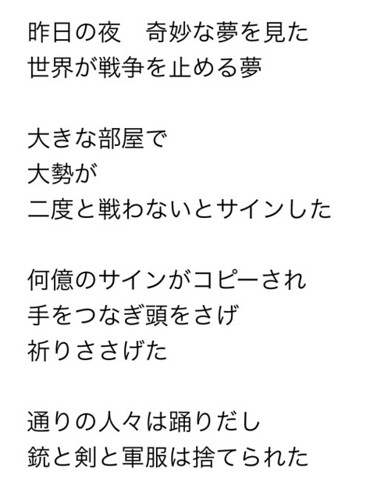
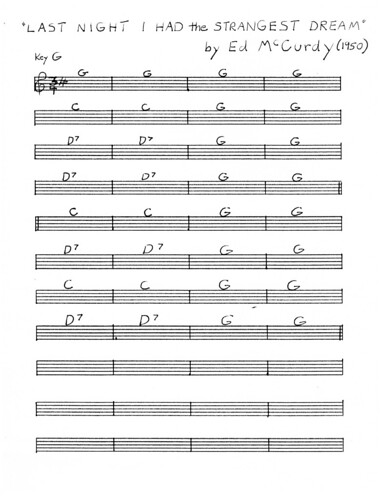
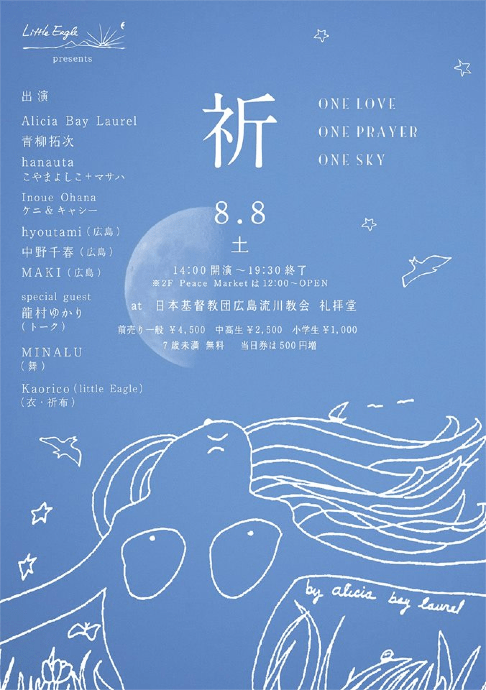
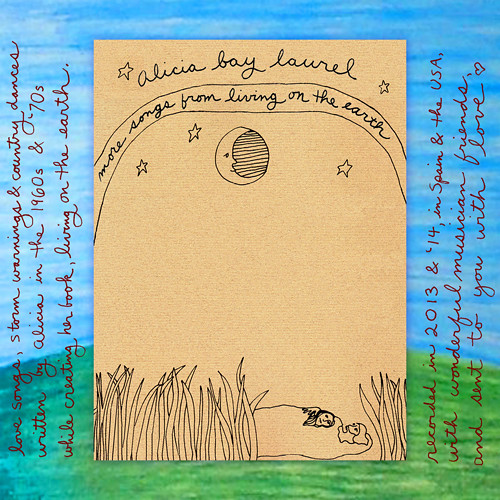




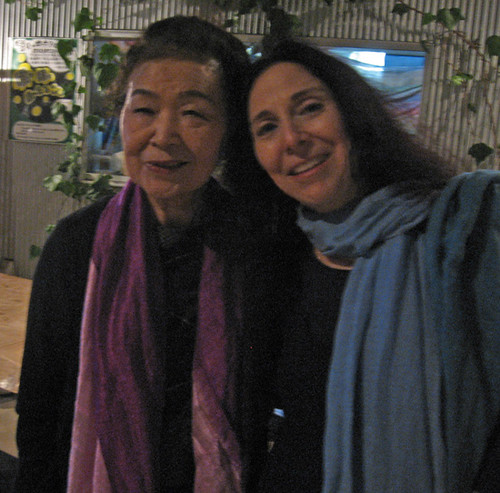








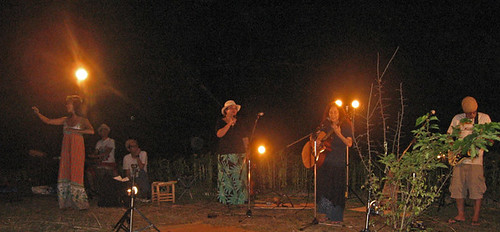





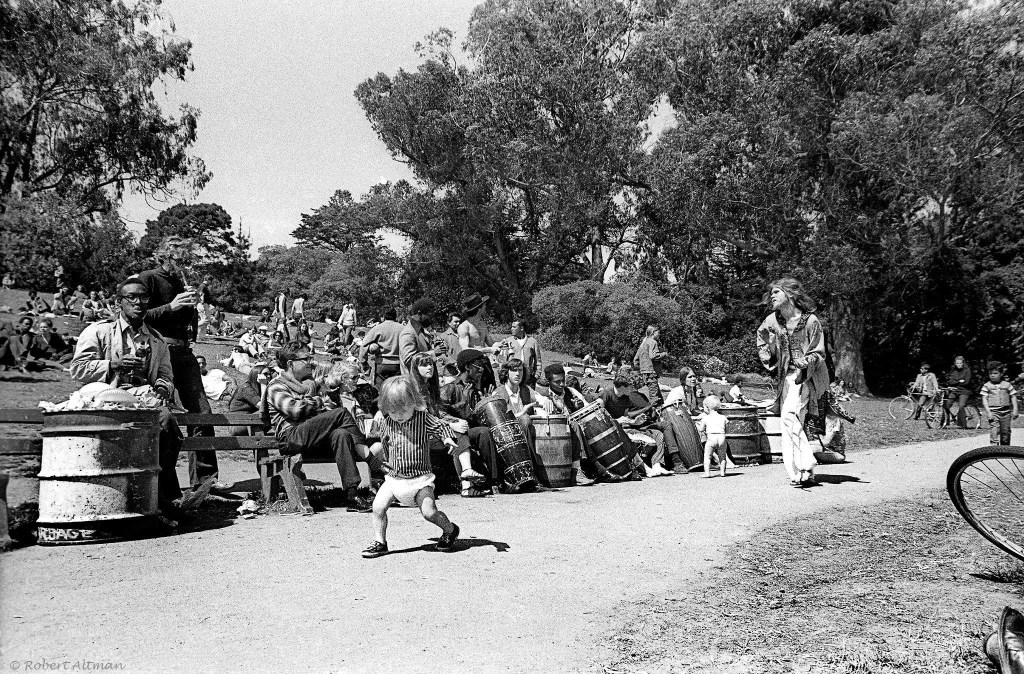




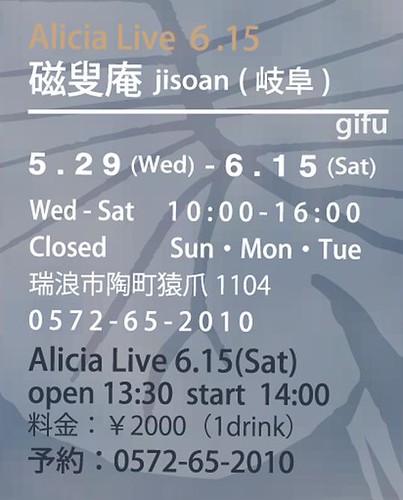





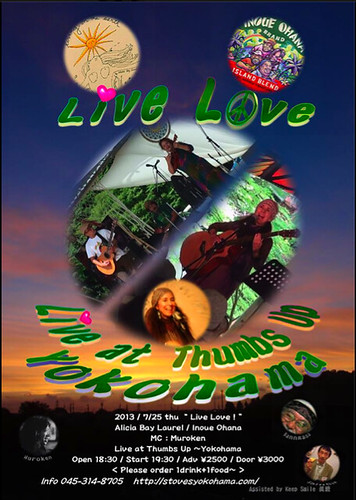


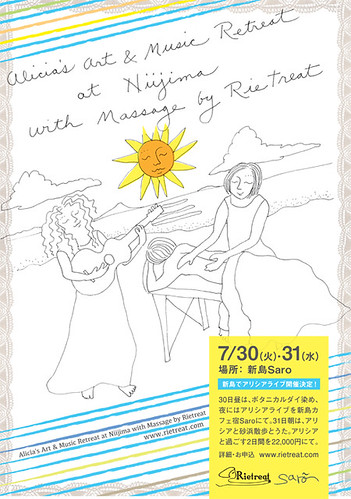


 Alicia Bay Laurel
You must be logged in to post a comment.