Cream of Cauliflower Soup Recipe


Sometimes a warm, smooth vegetable soup, something soothing, yet alkalyzing, and that requires no chewing, is what a person needs to eat, for example, after having dental surgery.

That was how this recipe came together. Joe had an emergency tooth extraction, the dentist recommended a diet of liquid or soft foods for at least two days, these ingredients were in the refrigerator when we got home, and I improvised with them.

Joe enjoyed the soup so much that he requested it again less than a week later, even though his mouth had pretty much healed. This time I wrote down the recipe and photographed the steps.

Ingredients:

4 cups organically grown vegetable broth (homemade or storebought)
2 medium-sized organically grown potatoes
1 large (or two medium-sized) organically grown yellow zucchini squash
1/2 large organically grown yellow onion
1/2 large organically grown white cauliflower
1/2 cup shedded organically grown white cabbage
Purified water to add as needed to the broth before cooking

Pour the organic vegetable broth (or stock) into the cooking pot.

Peel the potatoes.

Slice and dice the potatoes.


Slice and dice the onion.


Add the potato and onion pieces to the broth.

Cut the ends off the zucchini, and slice and dice the narrow neck.


Slice and dice the wider part of the zucchini.

Use the vegetable peeler to remove any discolored areas from the cauliflower.


With a sharp knife, remove the stem and leaves from the under side of the cauliflower.


With the sharp knife, cut off the large outer branches of the cauliflower.


From each of the outer branches of the cauliflower, pull apart the flowers and dice the stems.


Add the cauliflowerlets, diced stems, and diced yellow zucchini to the broth.


Slice and dice the white cabbage.

Add cabbage to broth and enough purified water so that broth reaches 1 1/2 inches below the top of the vegetables, which will supply more water to the soup as it cooks. Bring the mixture to a boil (about 10 to 12 minutes), and then turn the heat down to the lowest level at which it sustains a low boil. Simmer until the vegeables are soft (about 35 minutes).

Move the soup into a food processor.


If the amount of soup exceeds the liquid capacity of the food processor, process it in two batches.


Reheat the cream of cauliflower soup over the lowest flame before serving.

Optional seasonings to offer once the soup is served in bowls:

Himalayan pink salt, organic black pepper, flake-type nutritional yeast, organic extra virgin olive oil, organic garlic powder, organic savory herbs (sometimes called poultry seasoning).

If you wish to add a spoonful of white or yellow miso to your bowl of soup, first dilute the miso by stirring it into a half cup of soup with a fork or chopsticks in a mug or small bowl before adding it to the bowl of soup.

Of course, crackers of all kinds make a good foil for soup. We tend to favor puffed organic brown rice cakes at our house.

Turns out it’s delicious as a cold summer soup, too.

Three weeks later: I required a tooth extraction, too! After a day of ice packs and napping, I woke up the next day with a lot less pain, and hungry, so I made this creamy soup. This time I had some carrots on hand, so added a couple of small ones to the mix of vegetables and got a golden yellow soup with a slighty richer taste.

Baked Apples Stuffed with Cranberry Sauce, Cinnamon and Raisins

While this fragrant and flavorful dessert needs no excuse appear on your menu, if you are in the USA, the weekend after Thanksgiving is an ideal time to make it, to use up whatever cranberry side dish you might have left over. This particular batch was made with the last of the Cranberry Relish á la Persephone that I had concocted on November 22, 2023.

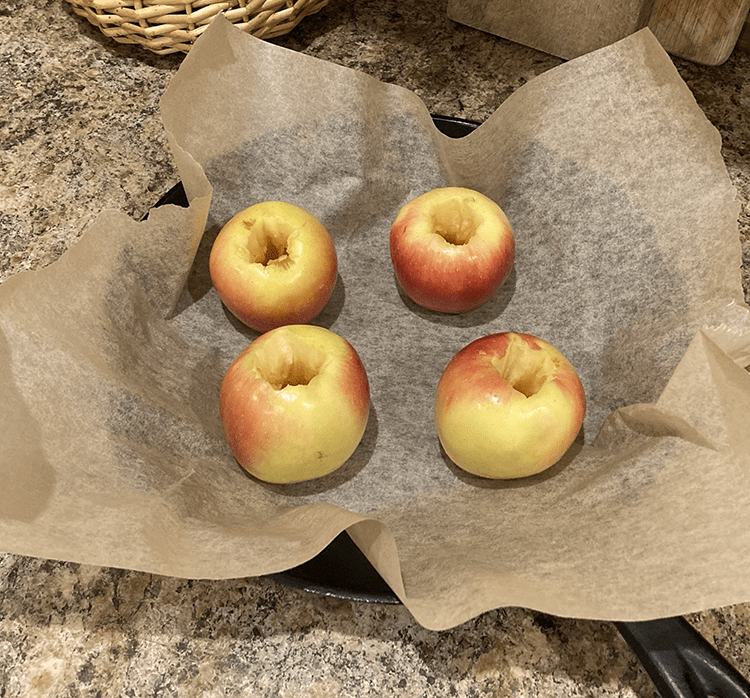
Step One: Line a baking pan (or a cast iron skillet) with baking parchment. Wash and dry some sound (firm and unbruised) organically raised apples, core them, and place them on the parchment. Figure one small apple for each two tablespoonsful of cranberry sauce, relish, etc. that you have on hand. If you will be baking big apples, figure 3 tablespoonsful per apple.

Then pre-heat the oven to 375 degrees.


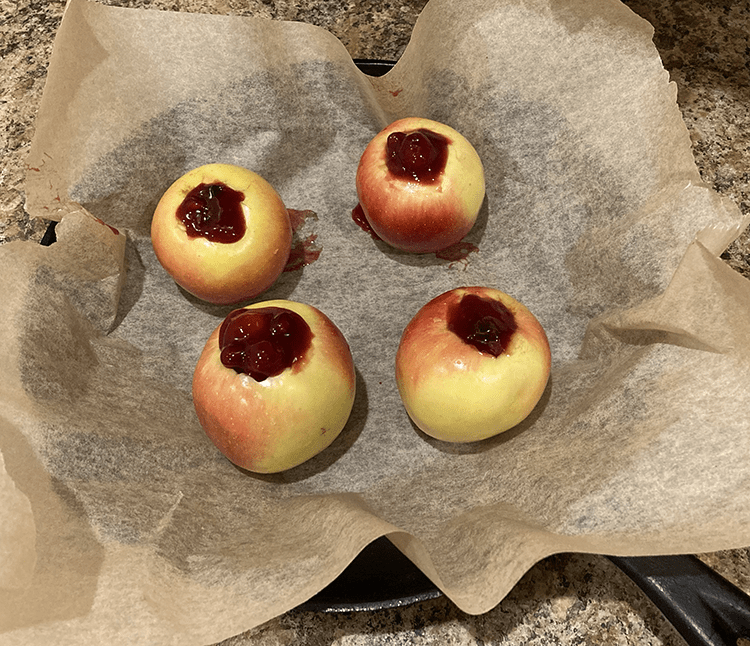
Step Two: Make the filling and fill the apples. The amount of sweetner depends on what sort of cranberry side dish you are using. If it’s a cranberry sauce that is already sweetened, you might not need to add any sweetner at all. The trick is to balance the natural sourness of the cranberries with enough sweetness to make a satisfying dessert. In the case of my cranberry relish, made with cooked whole cranberries, I kept mixing in half-droppers-full of stevia liquid extract until the sweet/sour balance was pleasing to my palate. You might prefer using another sweetner – say, maple syrup, honey, brown sugar, agave syrup or monk fruit.

Then I add raisins and powdered cinnamon (also to taste), and let the mixture rest so the cinnamon and raisins soak up some of the liquid.

Then I use a narrow spoon to transport the filling into the cores of the apples, pushing it down as I fill.


Step 3: Bake the apples. First trim the excess baking parchment, so that it does not stand above the sides of the baking dish.

Bake until the apples are soft enough that you can easily insert a fork.


Step 4: Cool the apples (at least to the point that no one will burn themselves taking the first bite!) Fresh from the oven is when they are the most fragrant, but they are also delicious at room temperature, and can be accompanied by scoop of vanilla ice cream, a whipped cream topping, or a glass of eggnog.


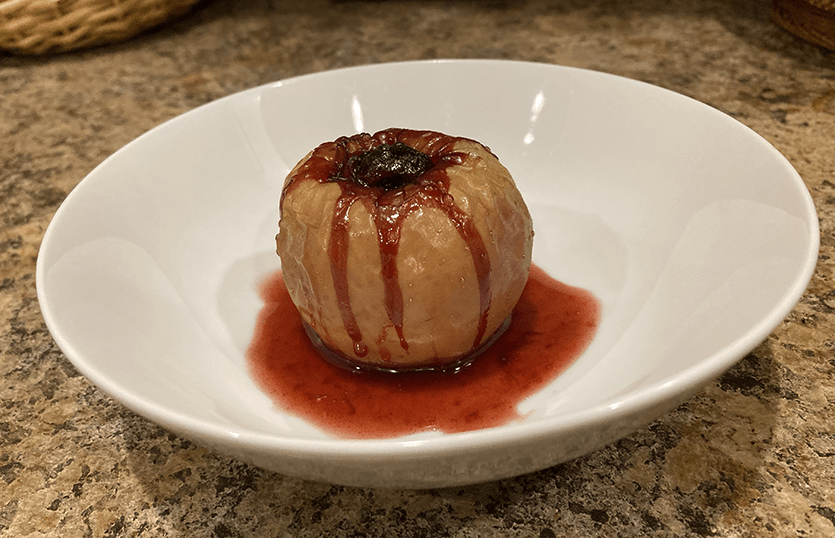
Step 5: Serve the apples. The sweet, spicy syrup generated in the bottom of the pan during baking can be drizzled over the apples once they are plated.


Warm and Vivid Autumnal Soup

I took a day off from setting up my online store, and made an vivid and warm autumnal soup.

Then, I poured some into a bowl and took this photo, with two indigenous folk art spoons from the town of Pasto in the southern central Andes in Colombia. I bought them as a gift for my mother in 1972, who displayed them on the wall of her dining room until she transitioned in 2007, after which they resumed their duties, watching over the dining rooms I have used since then.

This recipe was improvised as I went, but inspired by recipes I had tried previously. I am fortunate to live where I can easily obtain organically grown ingredients, and I used them here exclusively.

I soaked a cup of red lentils overnight in four cups of purified water. The next day I rinsed off the white foam they had produced, placed them in a large pot and added water that stood twice as high as the lentils. I brought them to a boil, then removed the lid of the pot and turned the flame down to the minimum, and kept them simmering, stirring occasionally until the lentils were cooked soft. When the water was about to get low enough that the lentils might stick to the pot, I added a can of coconut cream, and stirred it frequently while it simmered another 10 minutes.

Meanwhile, I sliced and seeded a small butternut squash and steamed the pieces until they were soft. When they were cool enough to handle, I scooped the cooked squash out of the skins and into the jar of the food processor/high speed blender. I added a cup of the water from steaming the squash, and liquified them.

Then I blended the lentil/coconut cream mixture and a small can of tomato paste into the squash puree.

Finally, I chopped small and sauteed in coconut oil at low heat three cloves of garlic and a half of a red onion. While they were softening and releasing their aromas, I added two teaspoons of cumin seed powder, a teaspoon of a good-smelling masala blend, and two teaspoons of powdered tumeric root. When it was all fragrant and soft, I added the entire contents of the sautee pan to the rest of the ingredients in the food processor, and blended it until it was smooth.